
Communication
Has to Be at the
Center of Your Content
Content creation isn't a differentiator anymore because it's something anyone can do. Communication is what makes or breaks your audience's connection to that content.
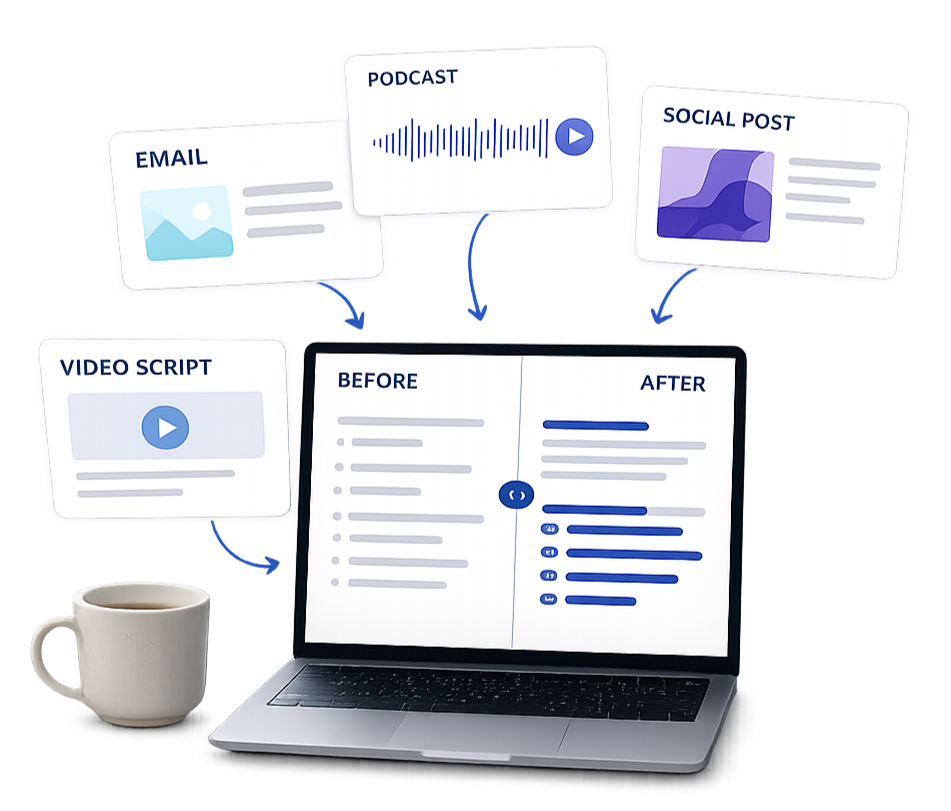
We're constantly told our content should stand out, build trust, and create stronger relationships with our audience. But how do we actually make that happen?
It starts with the same communication principles we use every day:
We cannot do all the talking
We have to think before we speak
We have to consider how people might interpret what we say
We have to listen and respond
What's changed isn't the principles. It's the environment. Social media, digital marketing, and AI have raised audience expectations, making communication more important than ever.
The way we approach content has to change too, and it starts with how we think about communication.
Content is How Brands Communicate With Audiences
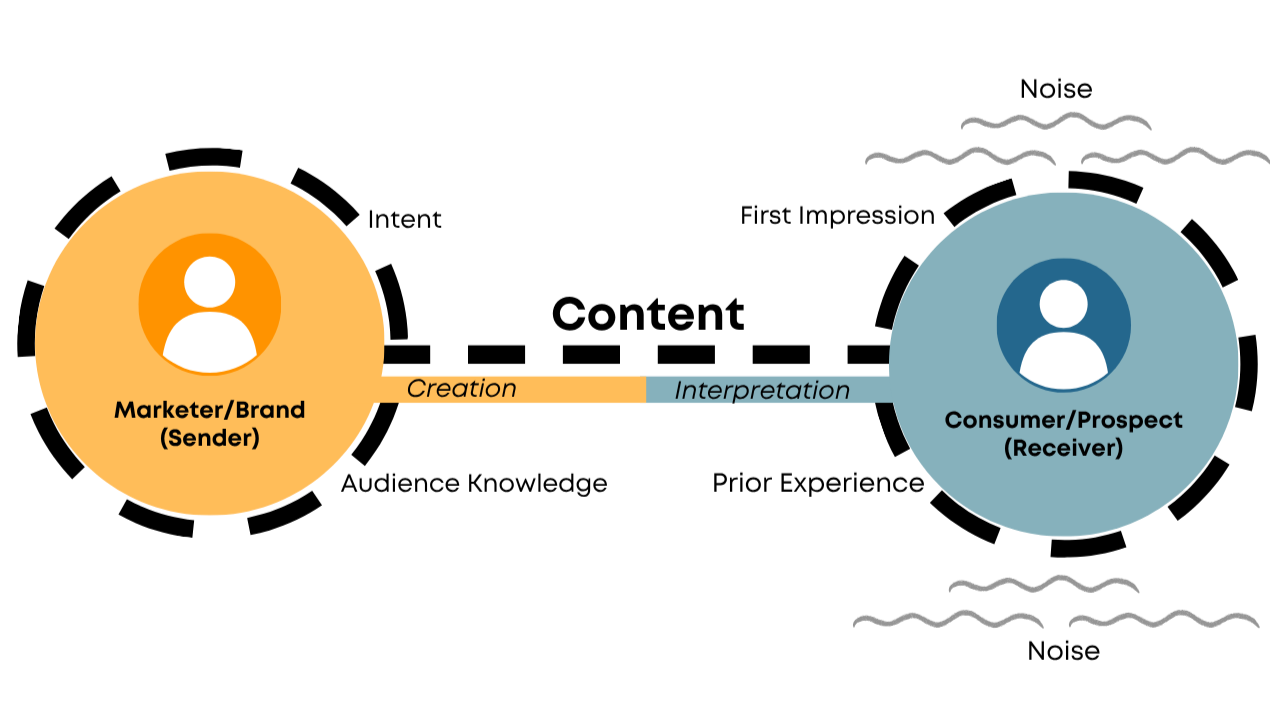
Content is simply another form of communication. This model illustrates the communication process behind every piece of content, helping explain why some messages connect while others get misunderstood, overlooked, or ignored.
Intent: Is the content and message more "me" focused or audience focused? What's driving the motivation?
Audience Knowledge: What the sender knows about the people they're trying to reach.
Creation: The process of translating ideas into words, visuals, or sound.
Sender: The brand, business, or creator delivering the message.
Prior Experience (With Content): Everything the receiver brings with them that shapes interpretation and response.
First Impression: The immediate judgment formed before the message is fully consumed.
Interpretation: How the receiver processes and makes meaning from what they receive.
Receiver: The audience, prospect, or customer on the other end.
Noise: Anything interfering with the message between sender and receiver. In a content context that includes content overwhelm and environmental distraction.
Too often we focus on creating content instead of improving the communication happening through it. When you start thinking about content as communication, you naturally make better decisions about audience, language, intent, interpretation, and the experience you're creating.
What This Looks Like in Practice
Before the Mic Goes On: Understanding what listeners want, what's already out there, and where the gaps are shapes the intent and audience knowledge behind every episode before a single word is recorded.
Conversational Style: The communication model shifts delivery from broadcasting to one-on-one dialogue.
Creative Formats: Noise isn't just technical interference. It's every other show competing for the same ears. Creativity and a fundamental focus on quality goes a long way today.
Podcasting
Comfort, Not Confidence: Being effective on camera isn't about becoming more confident. It's about finding an approach that helps you feel comfortable in front of the camera, so your expertise and personality come through naturally.
Prepared, Not Scripted: Whether you need bullet points or a full script depends on you. The key is making sure you don't sound or look like you're reading.
Engaged, Distracted or Disinterested: Does the audience feel like you seem real or too polished. Eye placement, word choice, pacing, and structure influence reaction.
Video

Copy
Intent Comes Through: Word choice signals intent before people finish the sentence, which is why more thought has to go into the receiver side.
Sound Like a Person: Written content that sounds like a real person talking to one specific reader stands out precisely because most content still follows formulas that audiences have learned to tune out.
Consider Receiver Defenses: Prior experience with spam, clickbait, and AI-generated content that clearly wasn't written for them shapes how fast your audience judges what you put in front of them. First impressions in written content happen faster than most people realize.
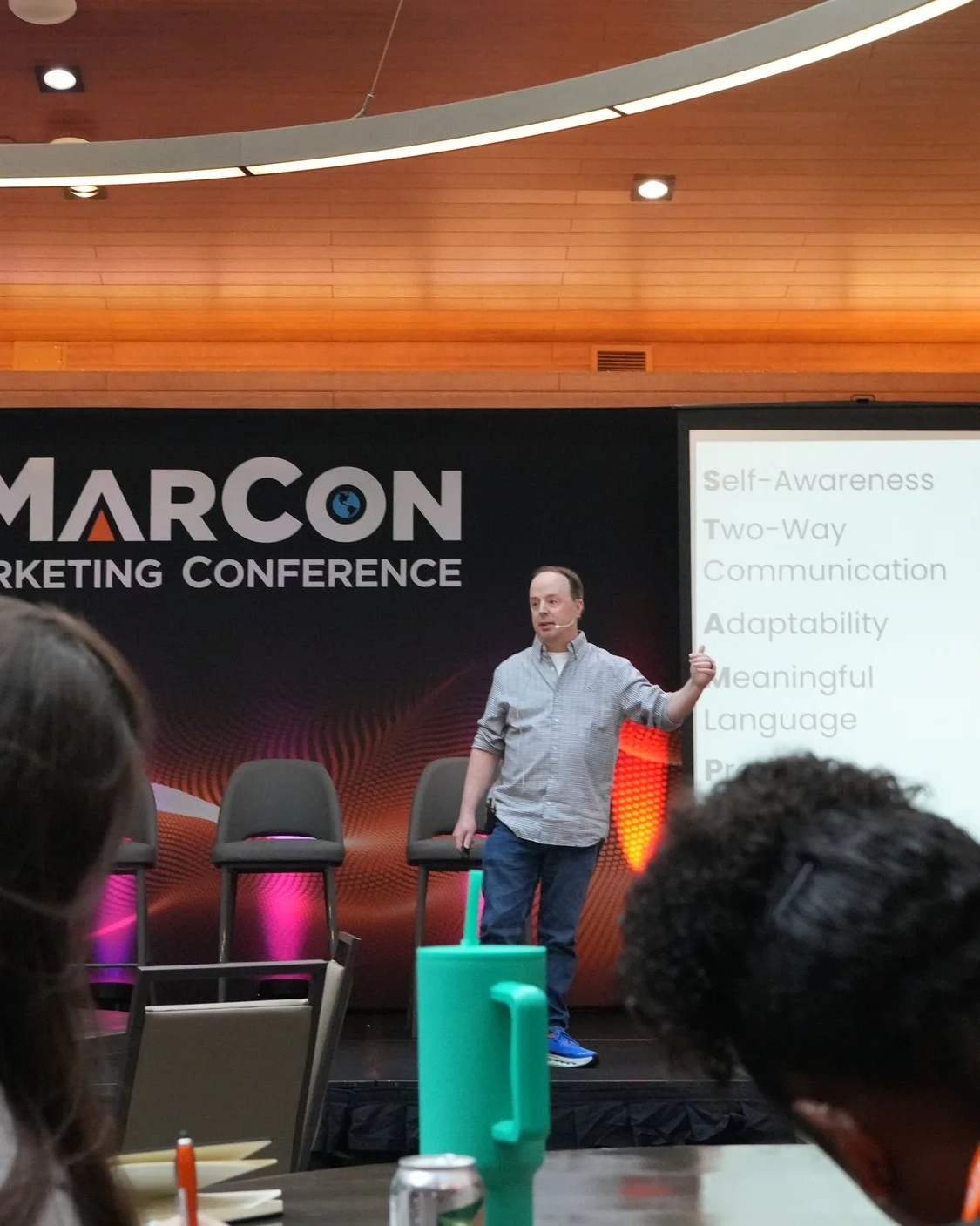
I developed STAMP to help businesses apply communication principles more intentionally across their content. It combines more than 20 years in content, marketing, and media with my study of professional and strategic communication.
The STAMP Framework
Self-Awareness: Understanding your own intent, word choices, and assumptions before content is created to avoid sabotaging audience connection.
Two Way Communication: Shifting from one-way messaging to actively listening, responding, and evolving your content based on real audience signals and interactions.
Adaptability: When trends, audiences, and tools change, the brands that evolve their content strategy with them are the ones that stay relevant and keep standing out.
Meaningful Language: The words you choose influence how people interpret your message. Language isn't just a writing decision. It's a communication decision.
Predictive Intelligence: Understanding the prior experiences, emotions, and behaviors your audience brings to your content is what allows you to communicate in ways they're ready to receive.
Want to Learn More About STAMP?
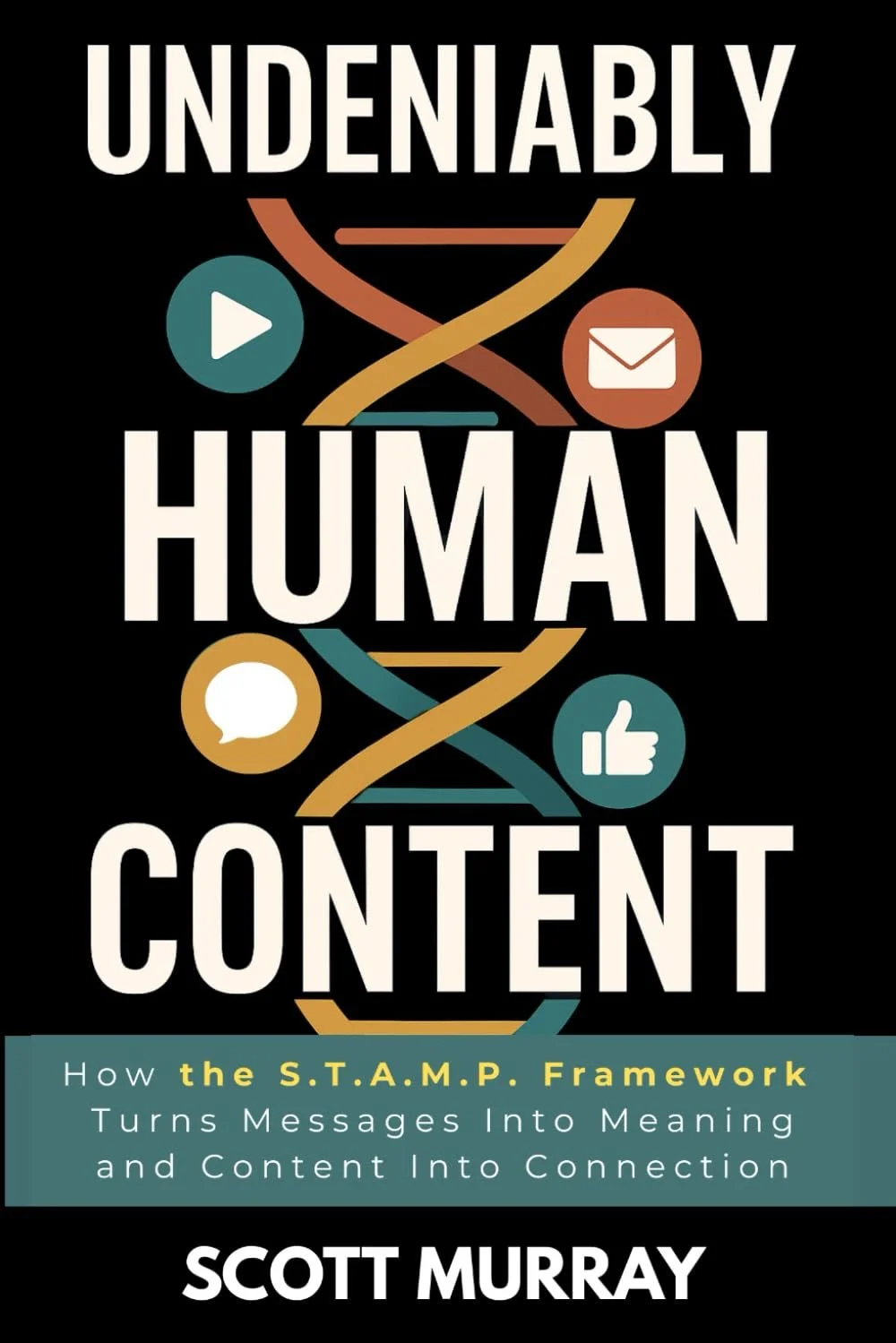
I wrote Undeniably Human Content for people who want the full scope of STAMP. It combines easy-to-understand research with real-world examples, stories, and pop culture references that make the framework practical and approachable. The book is backed by more than 100 cited references. It also features endorsements from Andy Crestodina, Brooke Sellas, Ethan Beute, and Andi Robinson.